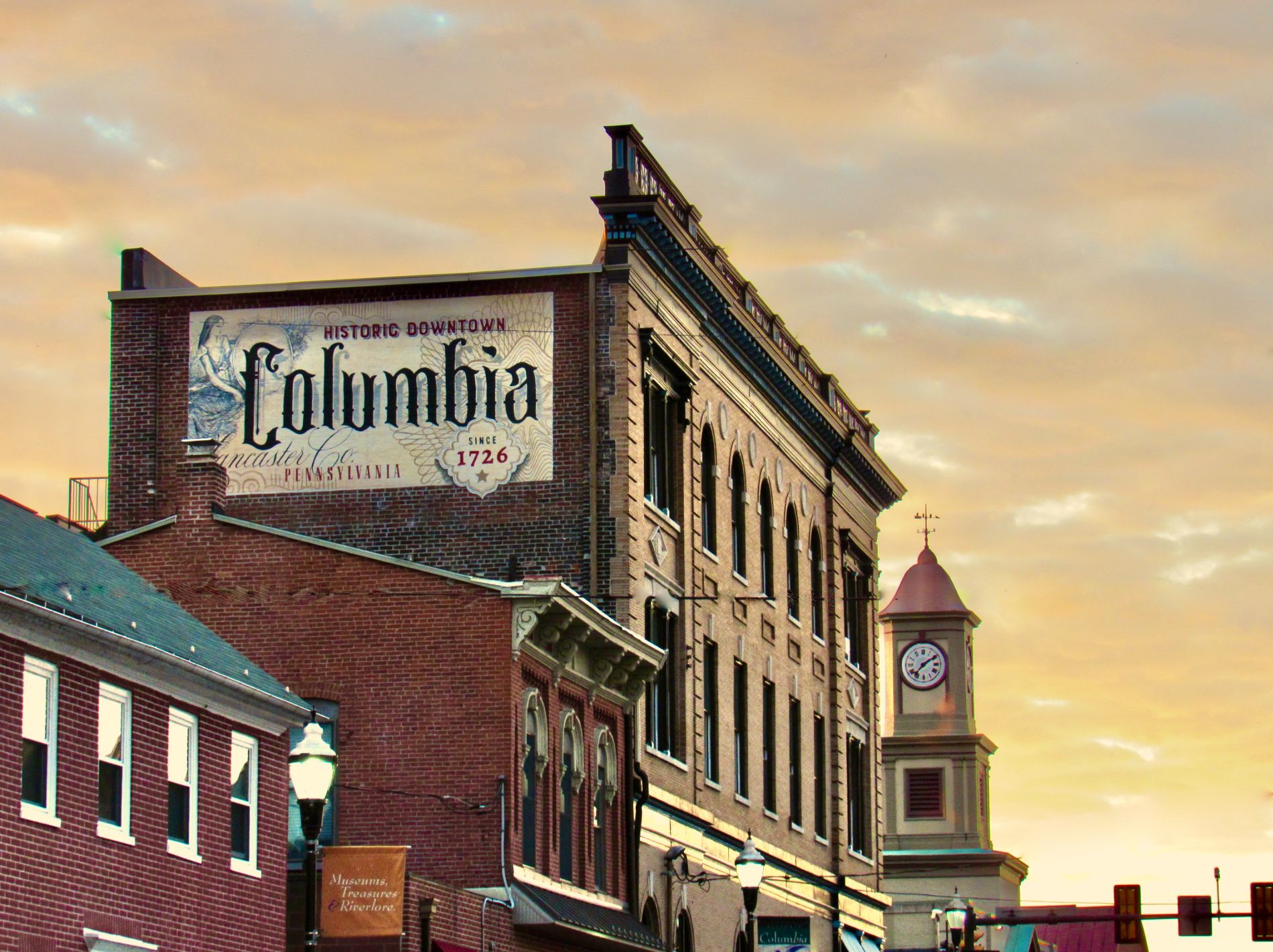
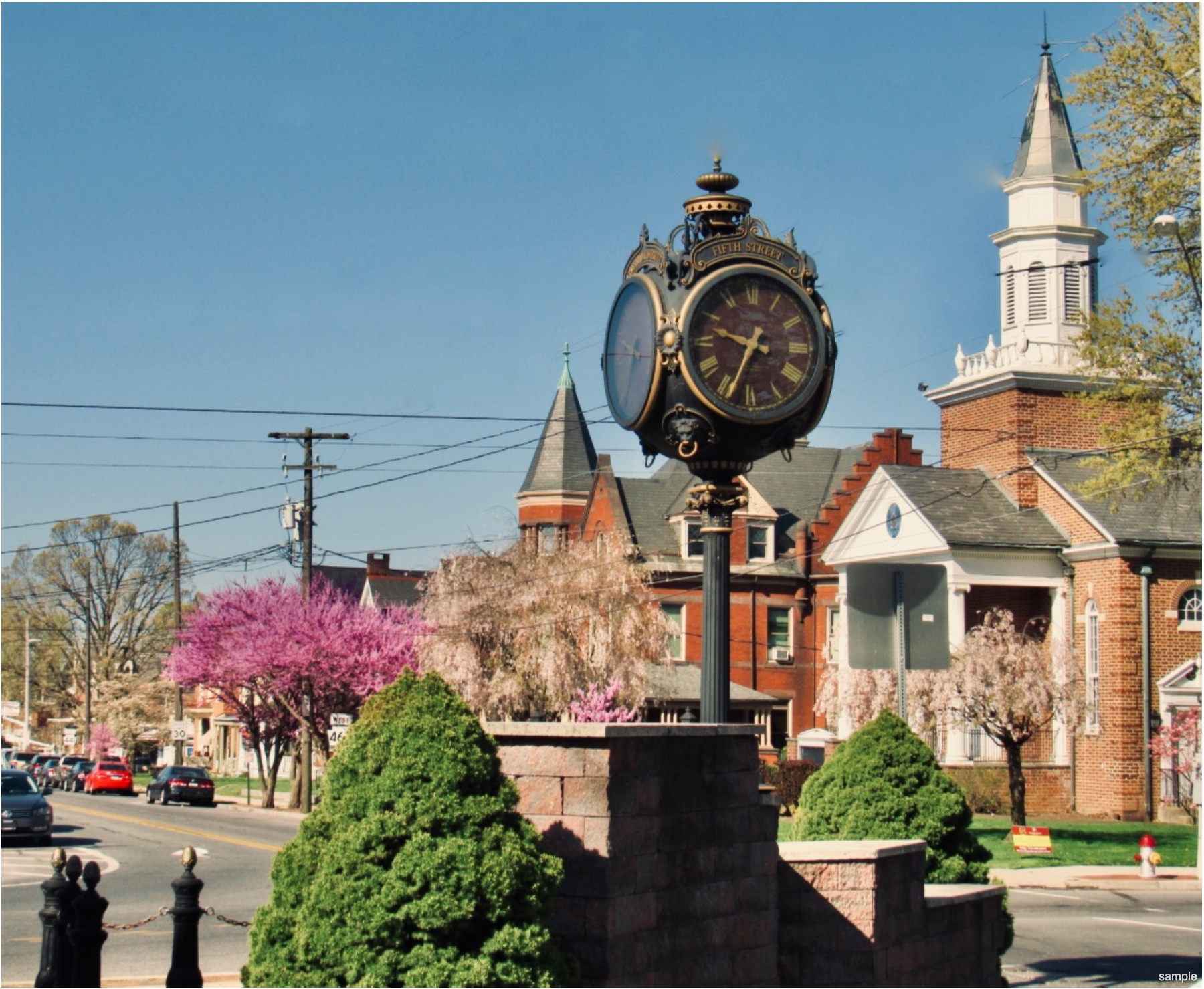
A town founded by a evangelist and entrepreneur John Wright has once again emerged as a hot spot for small businesses to thrive, visitors to enjoy, and for an unforgettable experience in a historic rivertown.
Once positioned for the new location of the Nation’s capital, only to fall one-vote-short, it yet remains a place where slaves once found freedom and hiding places, where the confederates were turned back by a burning bridge, where famous gangsters hid their whiskey… and where more stories made headlines.
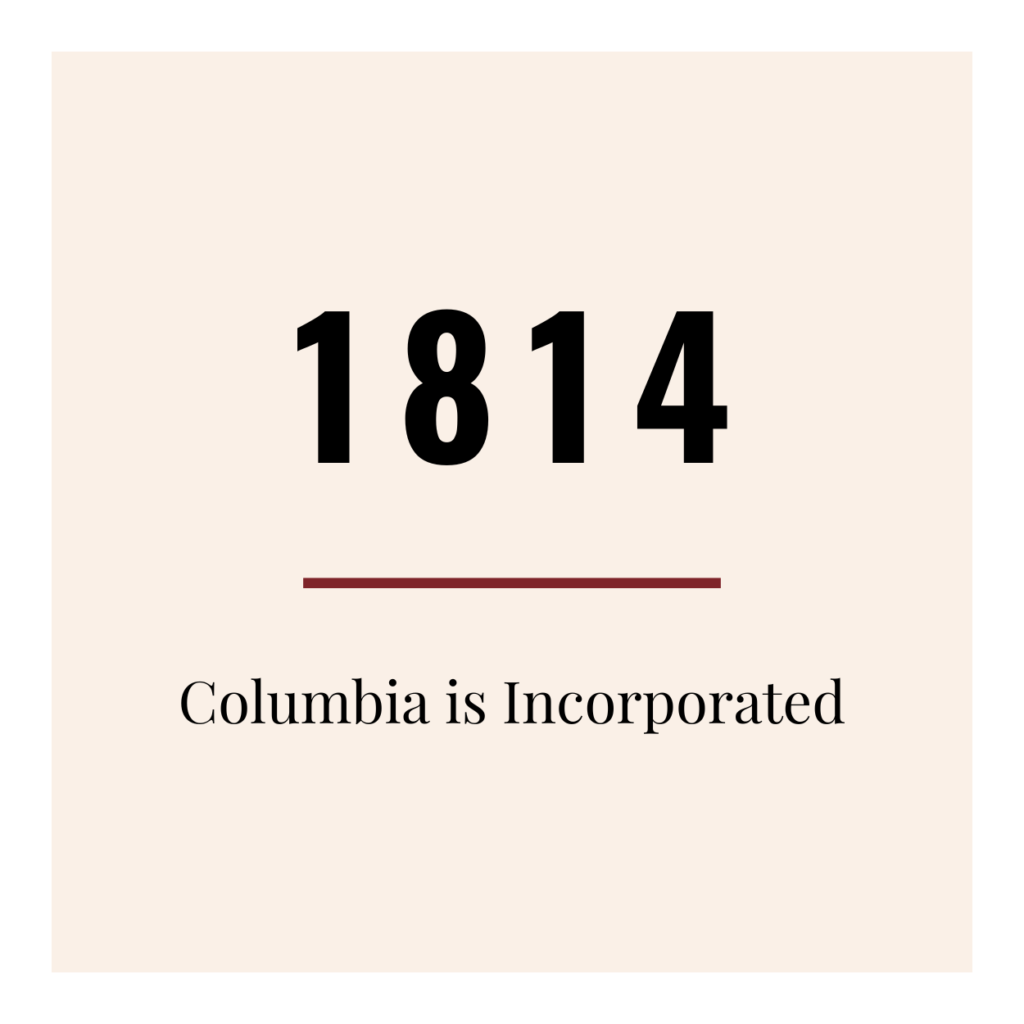
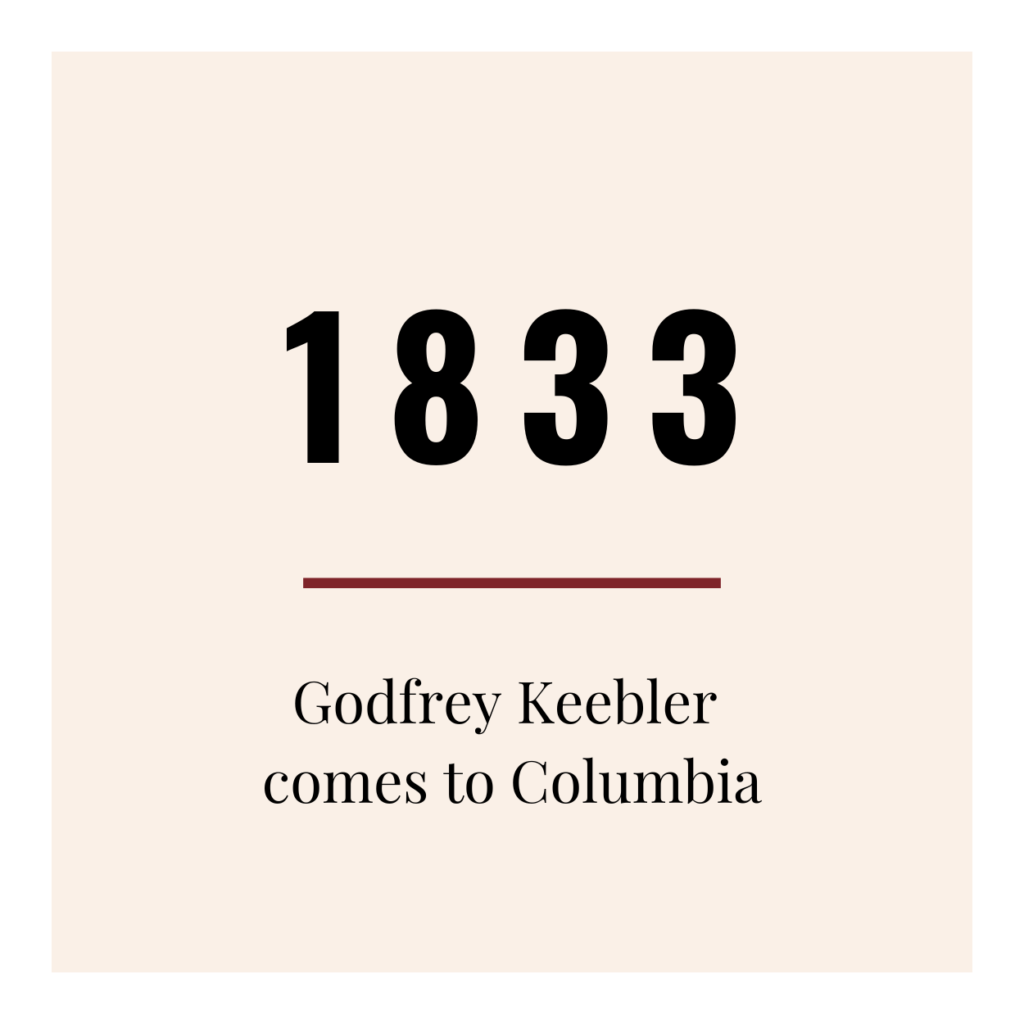
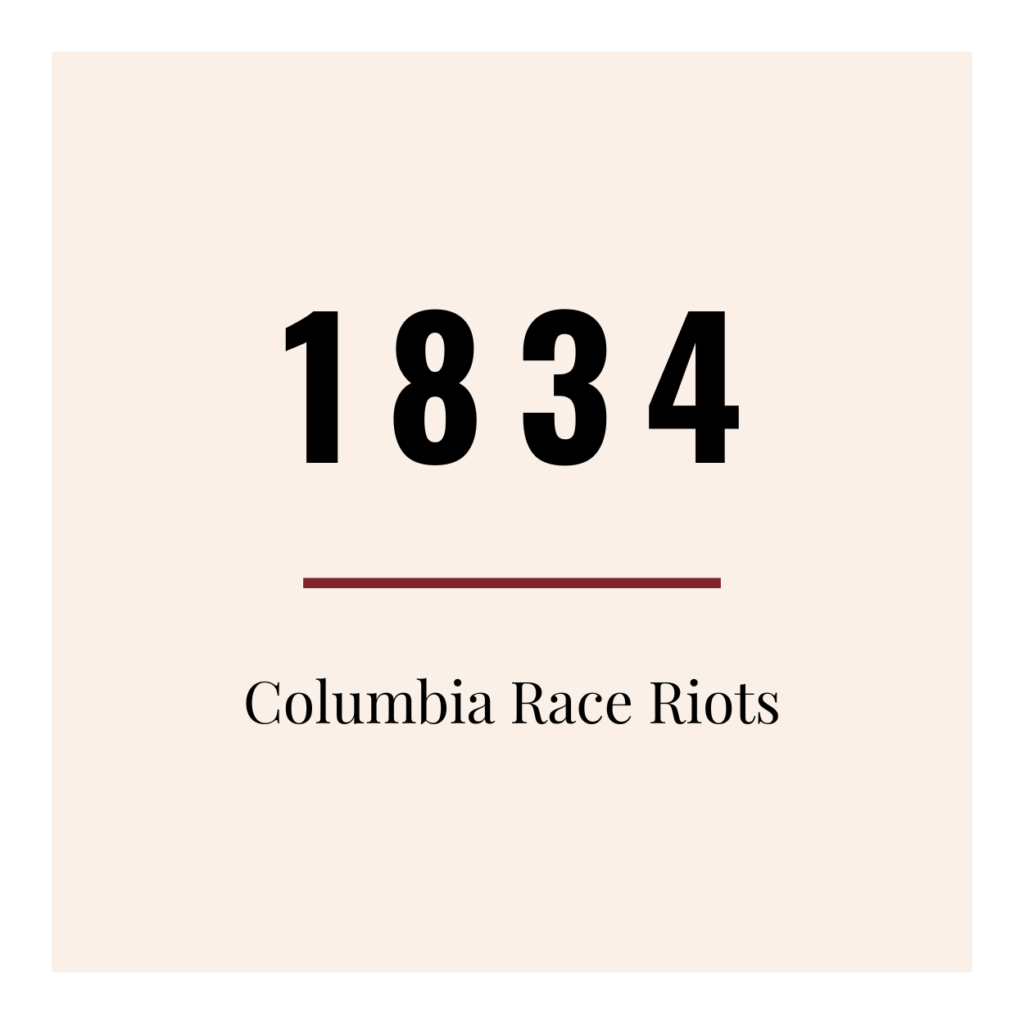
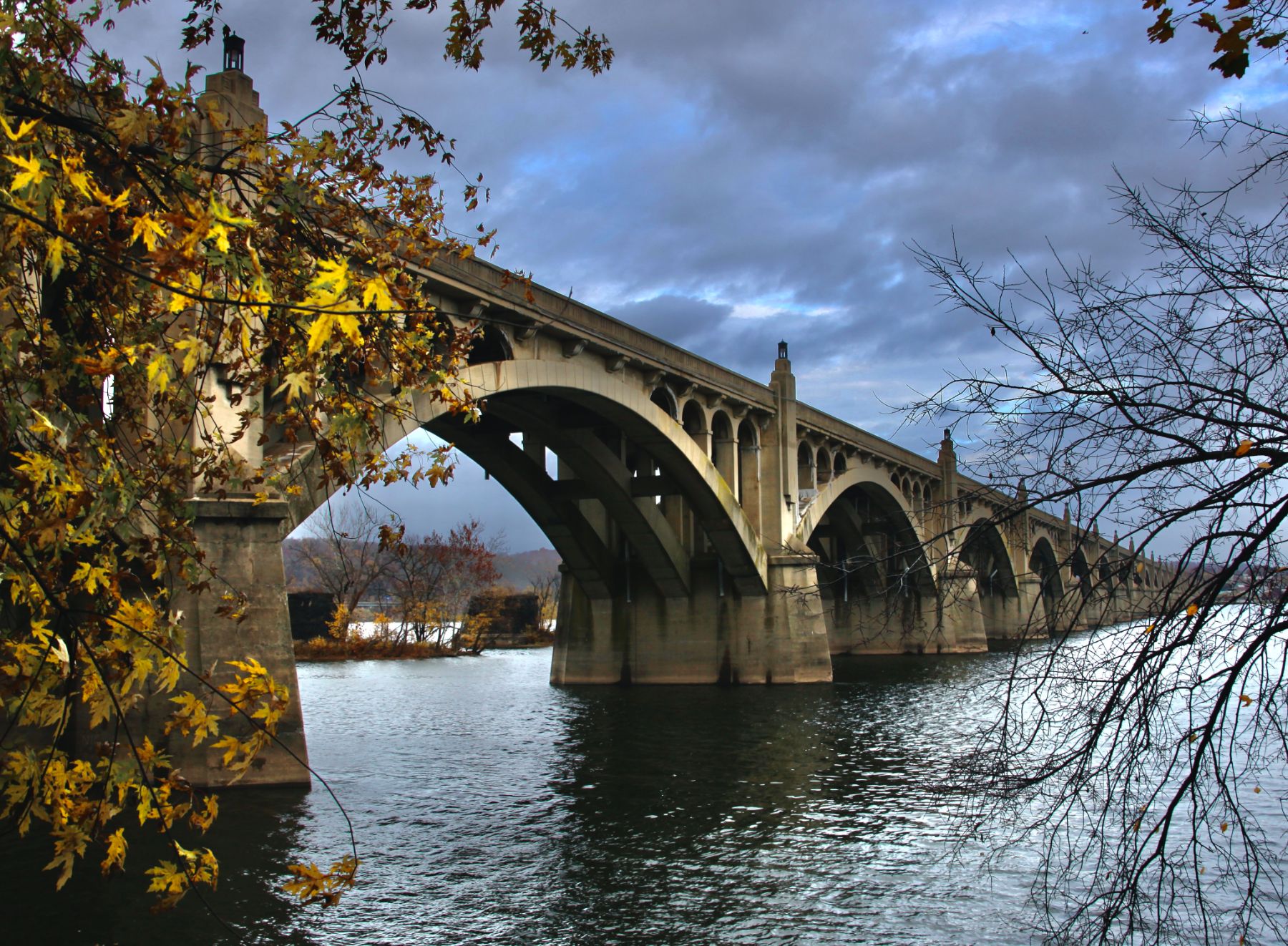
1724 – John Wright Sr. steps into Shanawa Town, sparking the first spark of what will one day become Columbia’s remarkable story. 1726 – Wright, Blunston, and Barber arrive with a ferry patent, planting the seeds of the river crossing that would shape the region’s future. 1729 – John Wright Sr., now Chief Burgess, names Lancaster County after his English homeland, giving identity to a growing frontier. 1736 – James Wright builds the Ferry House, where Aunt Susanna spins silk and knowledge, becoming one of the area’s earliest cultural beacons. 1788 – Samuel Wright surveys and organizes Columbia’s first lots, launching the town’s official birth through a grand public lottery. 1788 – With bold national ambition, Samuel Wright names the town “Columbia,” dreaming it might become the capital of the United States. 1805 – William Wright turns his home into a lifeline of freedom, helping more than 1,000 enslaved people escape via the Underground Railroad. 1811 – The Columbia Bank & Bridge Company forms, with William Wright at the helm, to finally bridge the mighty Susquehanna. 1814 – Columbia’s first river bridge rises triumphantly—only to be claimed years later by the unforgiving 1832 flood. 1832 – The great flood destroys the pioneering first bridge, challenging the town to rebuild even stronger. 1834 – The second bridge is completed, becoming the world’s longest covered bridge and a monumental engineering wonder. 1834 – Racial tensions erupt in the brutal 1834 race riot, exposing deep divides even in a town rooted in abolitionist courage. 1846 – Godfrey Keebler opens his first humble bakery in Columbia, planting the earliest roots of what would become a snack-food empire. 1850 – The Fugitive Slave Act drives many freedom-seekers north to Canada, reshaping Columbia’s free Black community overnight. 1863 – Confederate forces invade York County, aiming to seize Columbia’s bridge and carve a path deeper into Pennsylvania. June 28, 1863 – Five courageous Columbians torch the covered bridge, thwarting the Confederates and altering the course of the Civil War.
… and the story continues…
The unfolding of a river town
Leaving A Mark In History
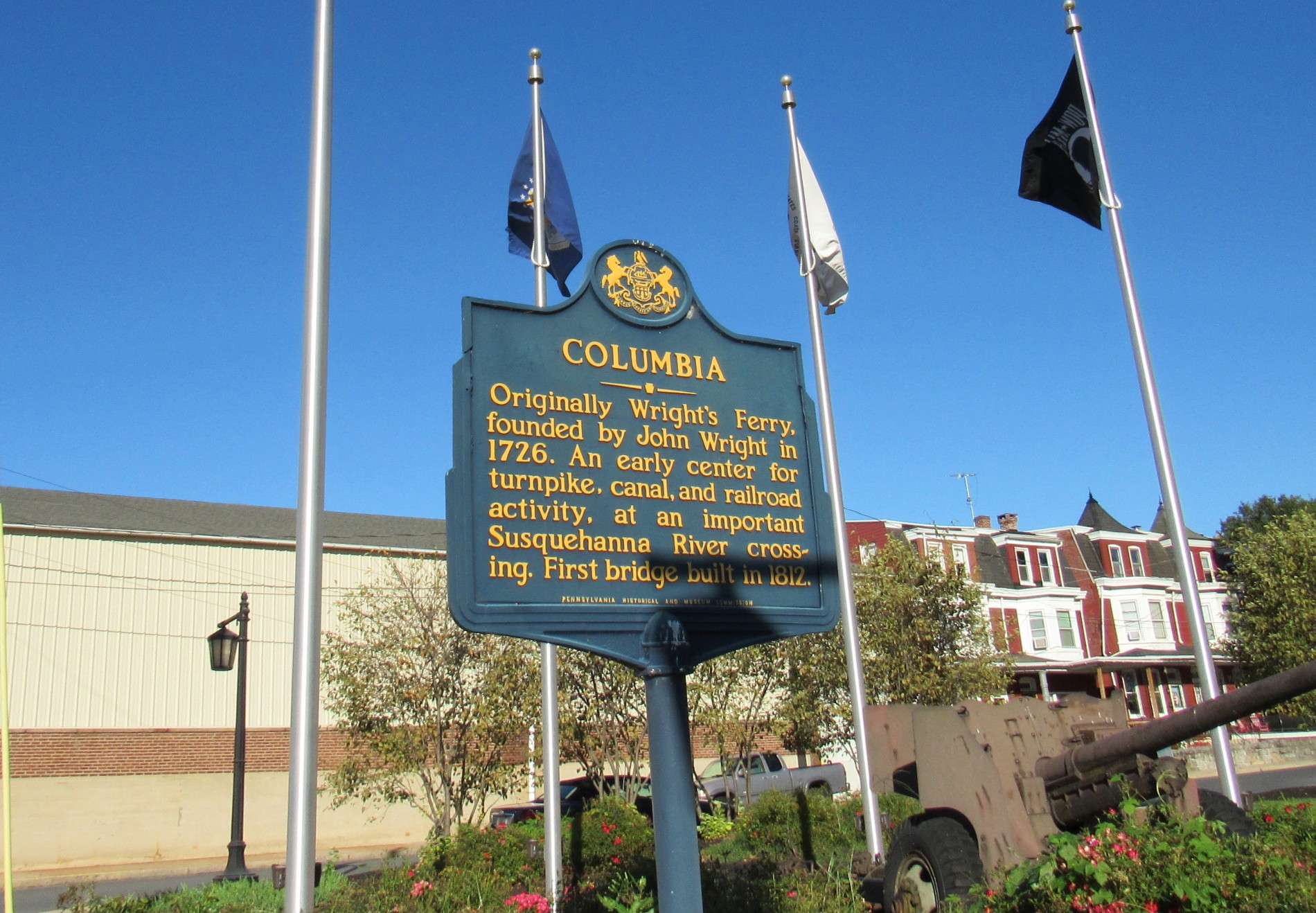
Columbia, Pennsylvania, was settled in 1726 by entrepreneur and evangelist John Wright, who established Wright’s Ferry along the Susquehanna River. Wright, an English Quaker, was instrumental in the development of river transport, which helped the settlement grow as a key transportation hub in colonial America. The ferry he established enabled easy crossing of the river, a crucial development for trade and travel in the region.
In the early years of the United States, Columbia was a thriving town with a significant role in the country’s history. In 1790, it came close to becoming the nation’s capital, falling short by just one vote in a fierce battle between rival cities. Despite missing that distinction, Columbia continued to play an influential role in the nation’s development.
One of the most pivotal moments in Columbia’s history occurred during the Civil War.
In 1863, just before the Battle of Gettysburg, the town witnessed the burning of its iconic covered bridge by Union forces. The destruction was intended to prevent Confederate forces from crossing the Susquehanna River and flanking the Union Army, showcasing Columbia’s strategic importance during the war. Just a few days later, those same confederate soldiers wandered into the Gettysburg, sparking the battle that changed a nation. Had the bridge not burned, they would have likely been in Philadelphia or Harrisburg.
The town had a significant connection to the Underground Railroad, with many local residents, including prominent abolitionists like Stephen Smith, assisting enslaved people escaping to freedom thru false bottom rail cars, secret rooms, and a complex network of conductors. The town’s proximity to the Mason-Dixon Line made it an ideal location for those fleeing the South.
As industrialization took hold in the late 19th century, Columbia’s economy grew rapidly. The construction of railroads and the rise of manufacturing transformed the town, bringing in factories and workers. Columbia became a center for iron production, particularly in the manufacture of railroad cars, and saw significant growth in population and infrastructure, solidifying its place in the industrial history of Pennsylvania.
More History To Uncover
Around Town
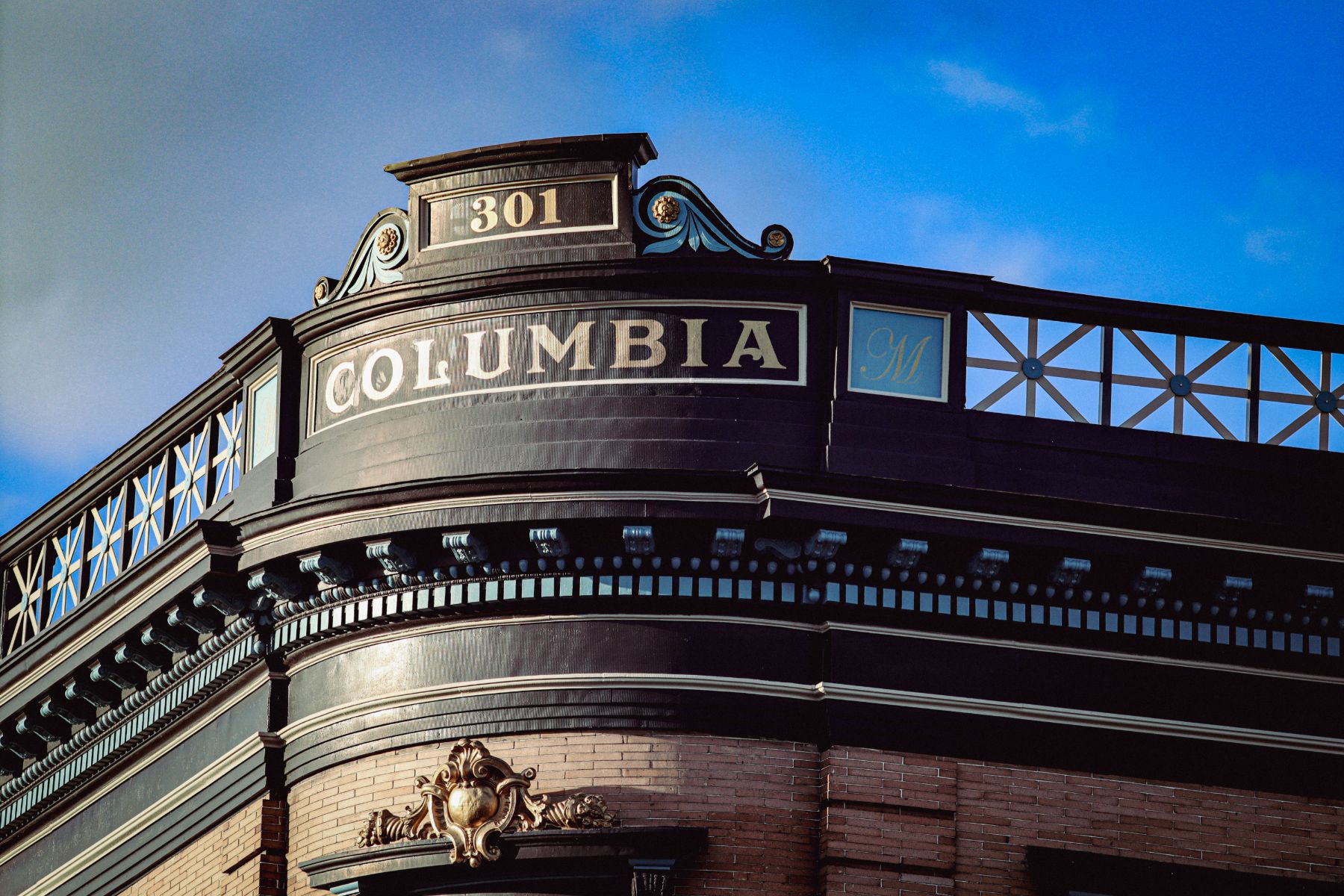
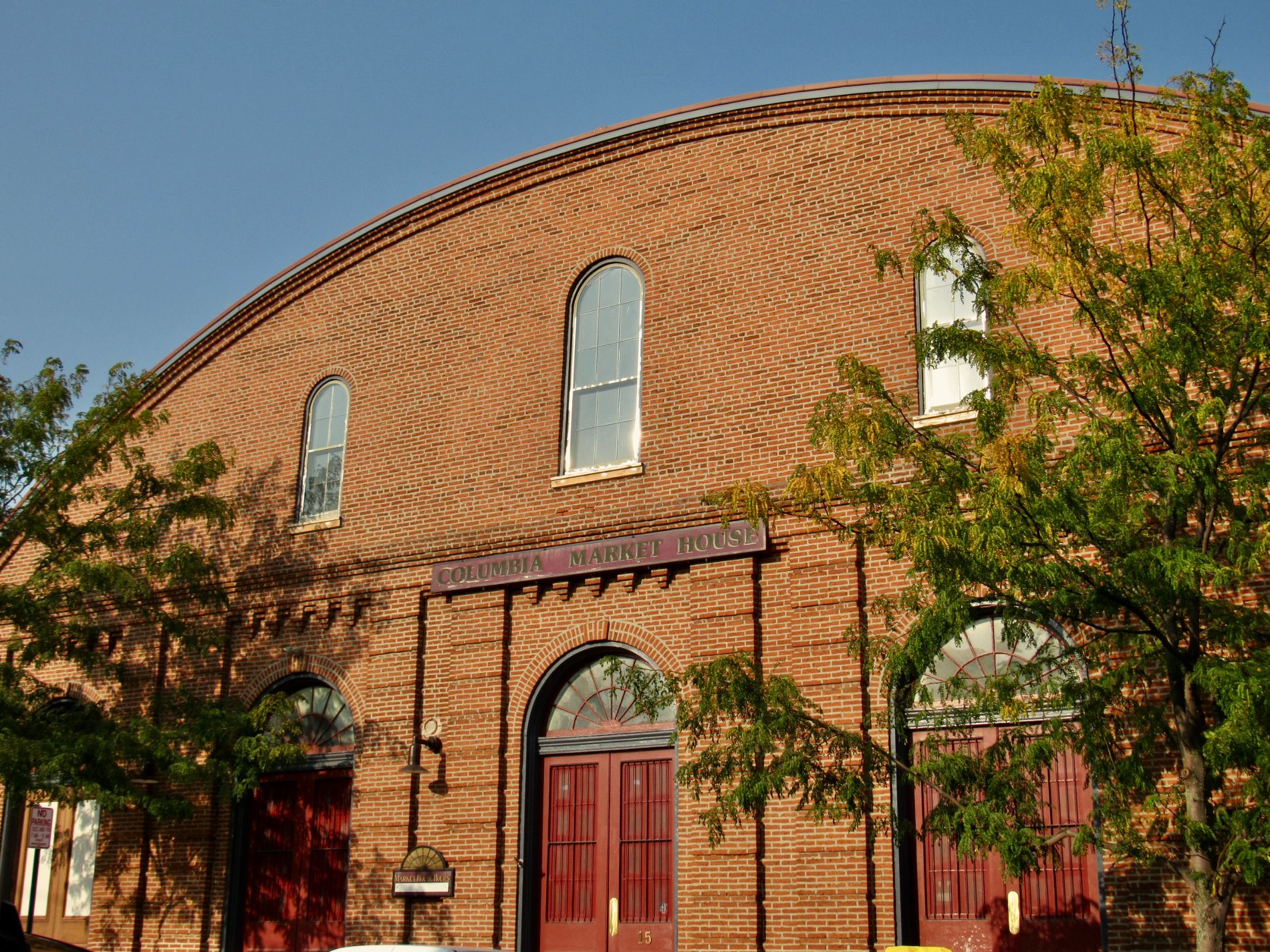
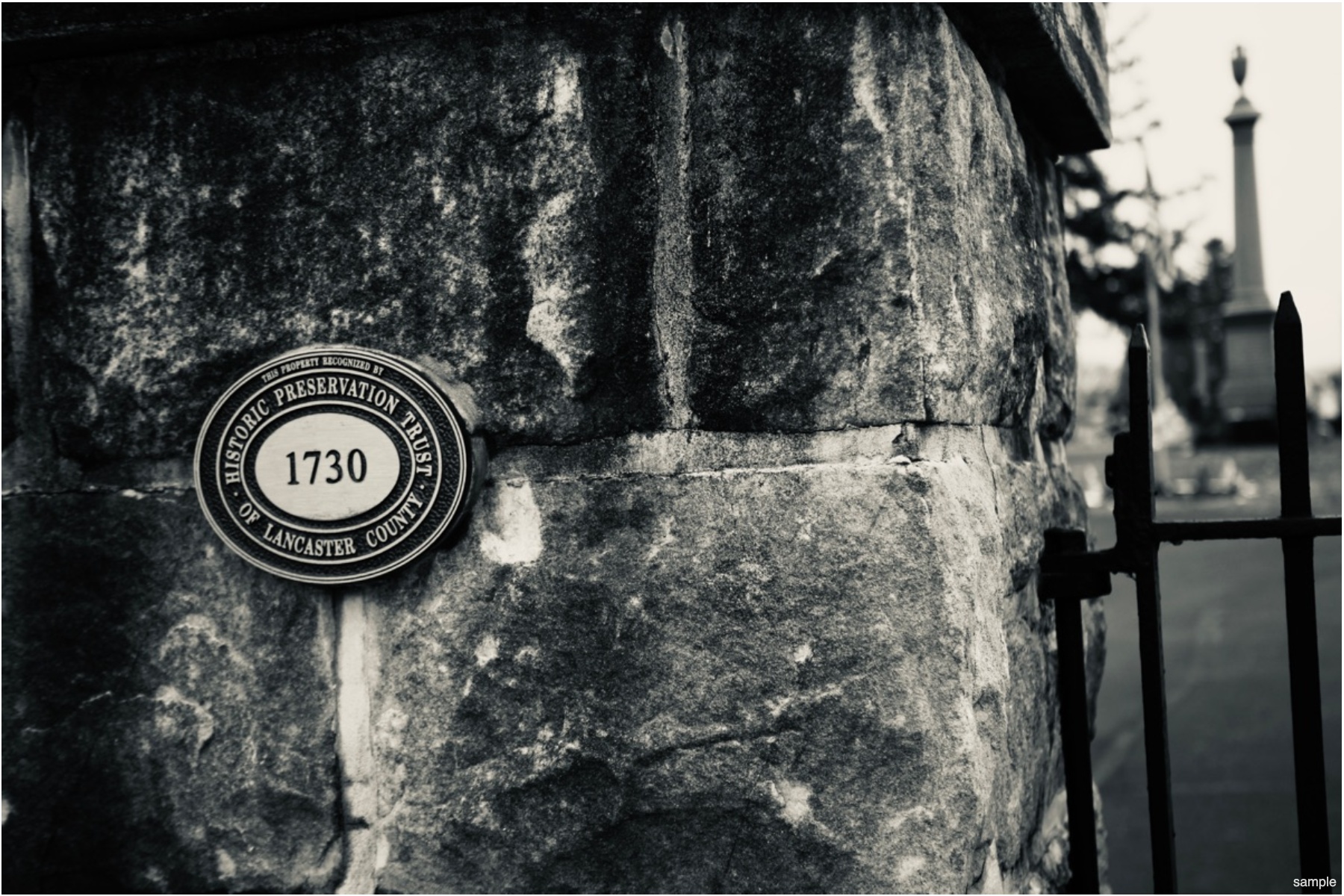
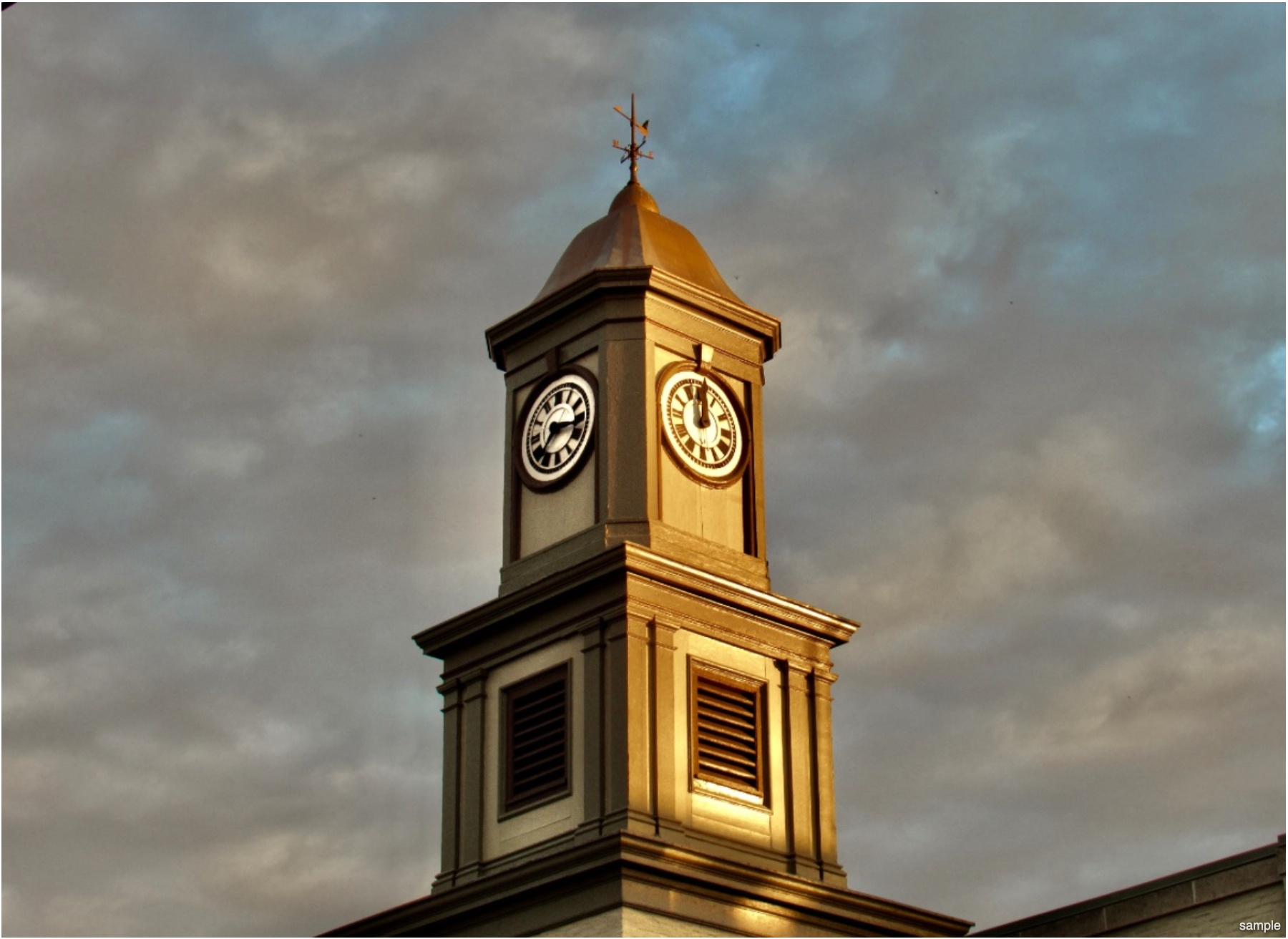
Take a look around Historic Columbia, PA
EXPLORE
Columbia
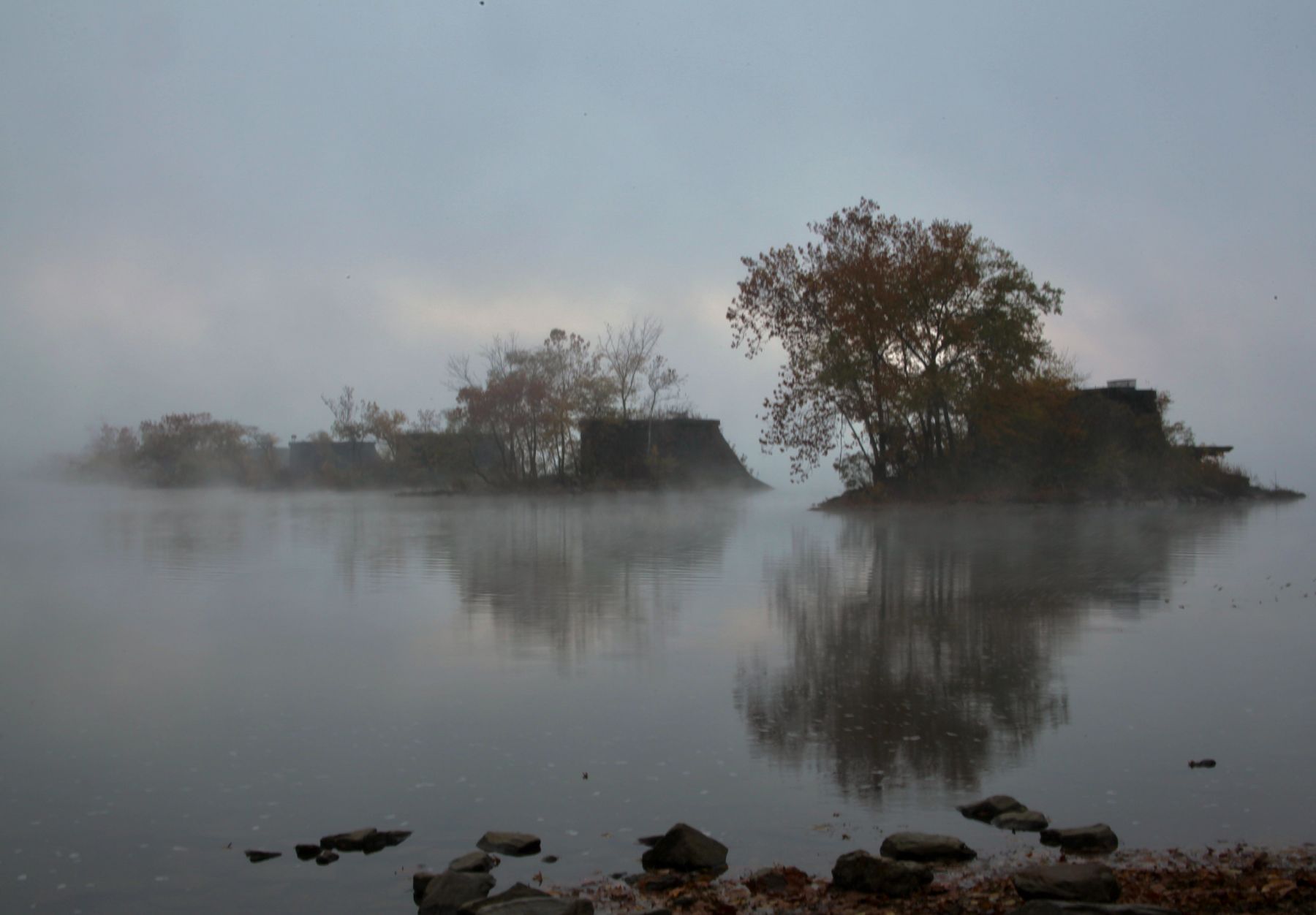
Our town borders the waters of the Susquehanna River. Enjoy biking and hiking trails and time by the water.